
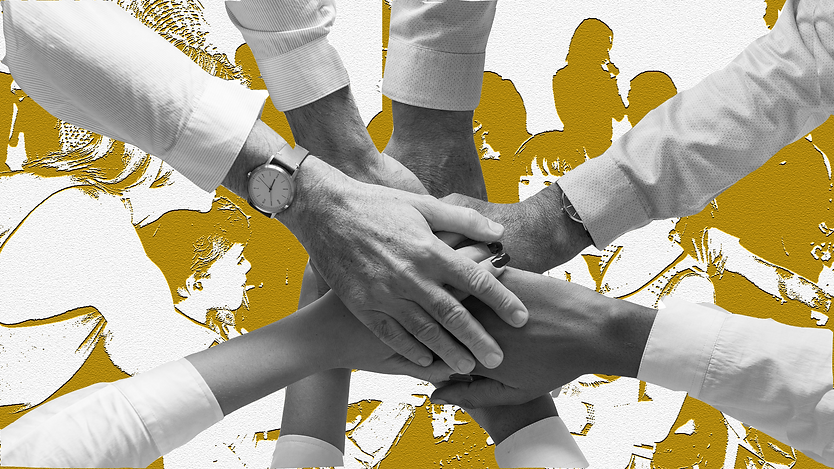
Helping people at home, with or without money, online, and donating – are all ways to change the lives of people in need. From disaster response to pandemic response, Non-Government Organizations (NGOs) have stepped up as game changers in society.
Donation drives: Acts of kindness can change lives.
“We are pleased to receive any amount to help those in need.”
We often hear and receive this message often when a disaster happens — typhoons, earthquakes, and the most destructive phenomenon for the past two years that severely impacted every country in the globe, the COVID-19 pandemic.
Donation drives became the resort of individuals who aimed to help. Primarily, in disasters, this act provides aid to buy the necessities of others, from monetary to in-kind donations. One prominent way to donate is via financial technology wallets and banks such as GCash, Maya, BDO, BPI, etc. since organizations mainly used these to gain monetary support.
Through this act of kindness, people were able to receive support for basic needs — food, clothes, and some received monetary assistance from people’s collaboration.
1 to 10: From one to collective empathy can change lives.
“I want to help but I cannot provide monetary nor in-kind support,”
“I am not allowed to go on fieldwork operations,”
In spite of the pursuit of helping, some face the other way around, those who only help through raising awareness, connecting with people to spread the cause, and volunteering in organizations to contribute to the internal work.
Andrea, a 1st-year college student, graduated online during high school and is an active volunteer. She emphasized the need for internal work more than the fieldwork, “I believe there won’t be a fieldwork without the people who create the strategies, plan, and coordinate with the needed contact persons prior to going to the field,”. She was able to inspire individuals her age to volunteer and now, she remains active in her advocacy to help street children to have daily necessities.
Empathy is not a weakness. Empathy is a strength that can create social interaction that gives people a glimpse of hope that can ignite action and solution — to care and feel about their being and belongingness.
Vision-driven: No hindsight of the end
“This is only the start of the many firsts,”
Improving the state of the community will take more than one project. Organizations partner with other institutions and companies to create a better society — economy, educational institution, and general welfare.
Kathreen, an active social worker and college student, admits that her organizations helped her for the longest time — for 3 years; scholarship, leadership training, and other opportunities continue to present themselves.
With this, every individual, every organization, and every institution has their vision but only a few take charge. make the vision into fruition.
Building relationships and a proactive society with its people as the main contributor toward development, are only three of many ways to change lives and create a big impact.